Soft Summer hair colors are often described with attractive names, but the name alone will not tell you how a shade behaves on your hair. Ash blonde can look clean and elegant on one person, then grey and tired on another. Beige blonde may feel easy to wear until it turns yellow at the ends. Soft brown can be the most balanced choice, yet it is sometimes dismissed as too plain before the right gloss catches the light. The useful comparison is built around depth, mutedness, root contrast, and upkeep rather than a colour label.
Compare softness before choosing a name
Softness has two parts. The first is intensity: how bright or saturated the colour looks. The second is transition: how sharply the shade changes from root to mid-lengths and ends. A pale ash blonde with a harsh dark root may look more dramatic than a medium beige brown with a quiet blend. If you only compare swatches, you miss the second part.
Look at your hair in a side window with no filter. Check how much natural variation is already present. Sun-lightened ends, grey strands, and previous colour can create several depths before a colourist applies anything. A single toner may make the hair look more unified for a while, but it cannot erase every underlying difference. Hair porosity matters because dry ends absorb pigment quickly and can look darker, cooler, or duller than the healthier hair near the root.
Use grayscale as a second opinion. It shows whether the hair is too light, too deep, or too separated from the face. Then return to colour and judge temperature. A shade can have the right depth and still feel too yellow, too pink, or too grey. I prefer to make those decisions in that order. First ask how dark or light it is. Then ask whether its temperature supports the skin and brows.
| Direction | Best clue that it is working | Warning sign |
|---|---|---|
| Ash blonde | The hair looks clear and soft beside the eyes. | The skin seems dull or the ends have a grey cast. |
| Beige blonde | The face looks rested and the root transition feels calm. | Warmth gathers at the hairline or turns yellow after washing. |
| Soft brown | The brows and eyes have definition without a heavy block of colour. | The shade looks flat because it lacks a reflective gloss or tonal variation. |
These are directions, not fixed formulas. A neutral ash brown can sit between ash blonde and soft brown. A smoky beige can sit between beige blonde and mushroom brown. Your starting level and previous colour will decide what is possible without unnecessary damage.
When ash blonde works
Ash blonde works well when your natural contrast is gentle and the hair can hold a cool tone without becoming dull. It tends to suit a root that is already dark blonde, light brown, or muted rather than strongly golden. The eye should still have some clarity beside it. If the face loses all definition once the hair is lightened, a little root depth or a darker brow balance may be needed.
The word ash covers several results. A soft ash blonde can have beige underneath, while a very grey toner removes almost all visible warmth. The second option photographs differently from how it feels at a kitchen table. In cool daylight it may look refined. Under a warm lamp it can turn flat, and porous ends may develop a steely cast. Ask to see the proposed tone against your own root, not only against a pale extension.
Lightness also controls the mood. A level of blonde close to the skin can make the face look quiet and blended. Going much lighter creates more contrast with the brows and the regrowth line. That may be exactly what you want, but it changes the maintenance conversation. A pale ash blonde usually needs careful toning, gentle washing, and attention to dryness through the ends.
Consider a softer version if a full ash blonde feels severe. An ash beige gloss, a neutral root, or a few lowlights can leave the hair cool without turning it into one pale sheet. I often find that a little beige through the middle makes the colour look more like hair and less like a toner demonstration.
When beige is easier to wear
Beige blonde has enough warmth to reflect light, but it can remain muted when the gold is controlled. That makes it useful for people who look tired in icy colour or whose hair exposes yellow quickly after lightening. Beige is especially forgiving when the haircut has layers or loose waves, because the small shifts in tone show movement instead of reading as a single flat band.
There is a difference between beige and honey. Honey is usually warmer and more saturated. Beige has a quieter balance between yellow, gold, and neutral notes. If you want a soft beige result, show a reference in ordinary lighting and name the warmth you do not want. Saying no brass is less precise than saying you want a muted beige that still looks alive.
Roots decide whether beige feels polished or disconnected. A neutral root close to the natural depth can make the lighter lengths look intentional as they grow. A very dark root beside a pale beige blonde creates a deliberate shadow effect, but the face may read more high contrast than Soft Summer. There is no universal rule against that look. It simply needs to be chosen with open eyes.
Watch the hairline after washing. Beige toner can fade unevenly when the front pieces are more porous than the back. If the hairline becomes yellow first, a small refresh around the face may be enough. Re-colouring every strand each time can make the ends dry and less able to hold the very tone you are trying to preserve.
Why soft brown can look more expensive
Soft brown is sometimes treated as a fallback for people who cannot decide between blonde and brunette. That is a shame. A well-made soft brown has depth, reflection, and small temperature shifts that make the hair look dense and cared for. Mushroom brown, smoky mocha, muted taupe brown, and neutral cocoa can all sit in this family, depending on how much beige, grey, or warmth the formula carries.
The best soft brown usually has more than one note. A flat single-process brown may look heavy, especially on a blunt cut. A translucent gloss over natural hair can give enough shine without changing the depth dramatically. On pre-lightened hair, a colourist may need a gentle fill before applying the final brown so the result does not fade hollow or greenish.
Soft brown is also a useful answer when the natural root already looks good. Rather than lifting the entire head, you can deepen the lengths, blur old highlights, or add a smoky gloss. This keeps the regrowth line quiet and reduces the cycle of lightening, toning, and repairing. The change can be subtle in a still photo and obvious when the hair moves.
Check the brow relationship before choosing a dark version. A medium soft brown can give light brows useful definition. A deep espresso brown may create a high-contrast frame that changes the face completely. If the goal is a muted Soft Summer look, ask whether the colour remains soft in grayscale. If it becomes a dark block, lighten the depth or add controlled variation through the front and ends.
Pick the shade by upkeep as well as tone
The most flattering option on appointment day is not always the easiest one to keep. Ash blonde often needs a toner refresh and careful moisture. Beige blonde needs monitoring for yellow or orange warmth, especially after heat styling and sun exposure. Soft brown may need a gloss to keep the surface from looking dull, but it can grow out with less drama when the root stays near the natural depth.
Build the maintenance interval around your actual habits. If you wash daily, swim, or use a hot tool most mornings, the colour will lose its first-day finish sooner. If you rarely visit the salon, choose a root and fade pattern that can look acceptable when the tone softens. A low-maintenance colour is not one that never changes. It is one whose changed version still looks deliberate.
Hair porosity can make the same shade behave differently across the head. Dry ends may grab ash pigment and turn smoky, while the healthier root remains warmer. A beige gloss may disappear from the ends first if they are highly porous. Ask for the condition of the hair to be part of the plan. Sometimes a trim and a clear gloss will improve the colour more than another round of pigment.
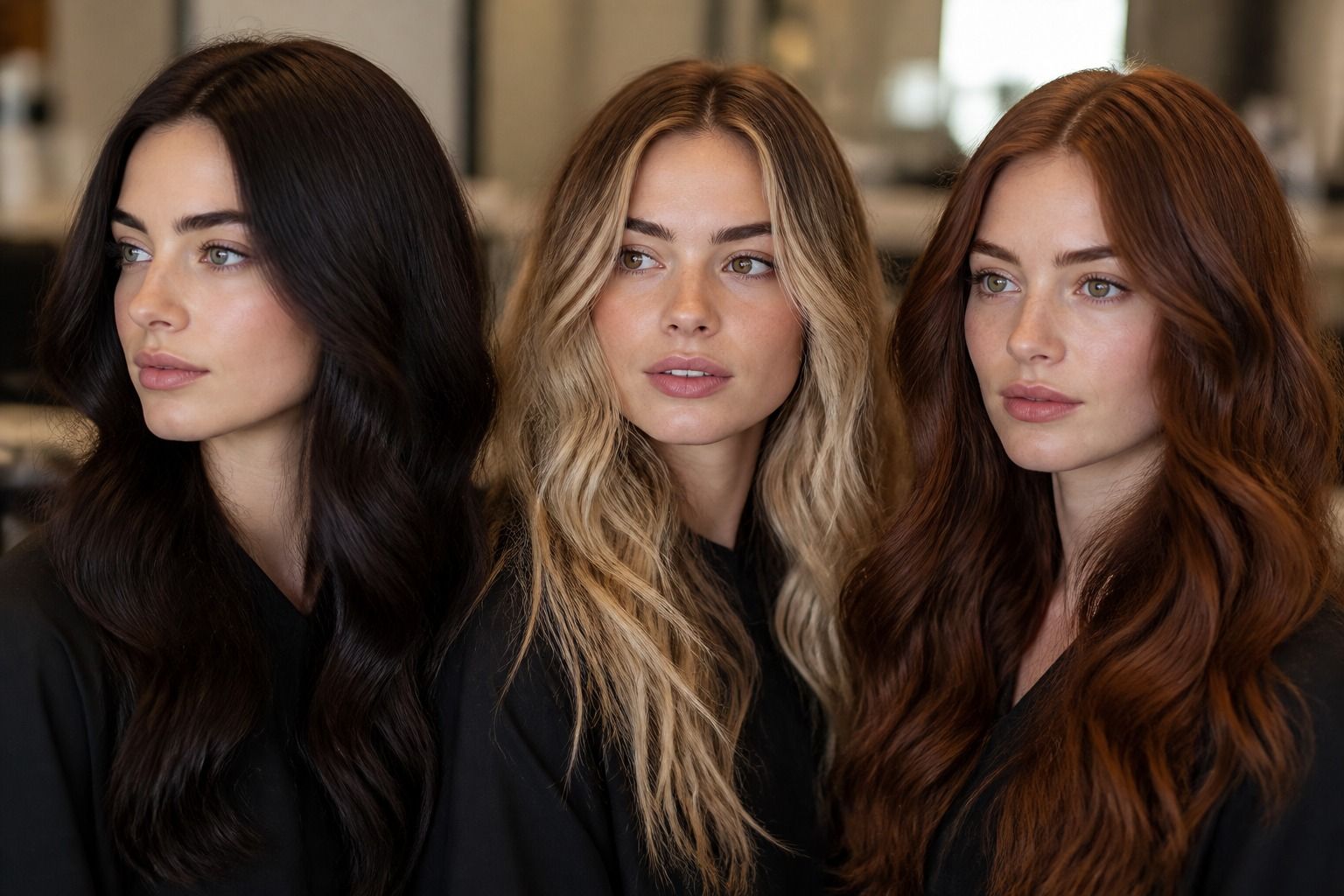
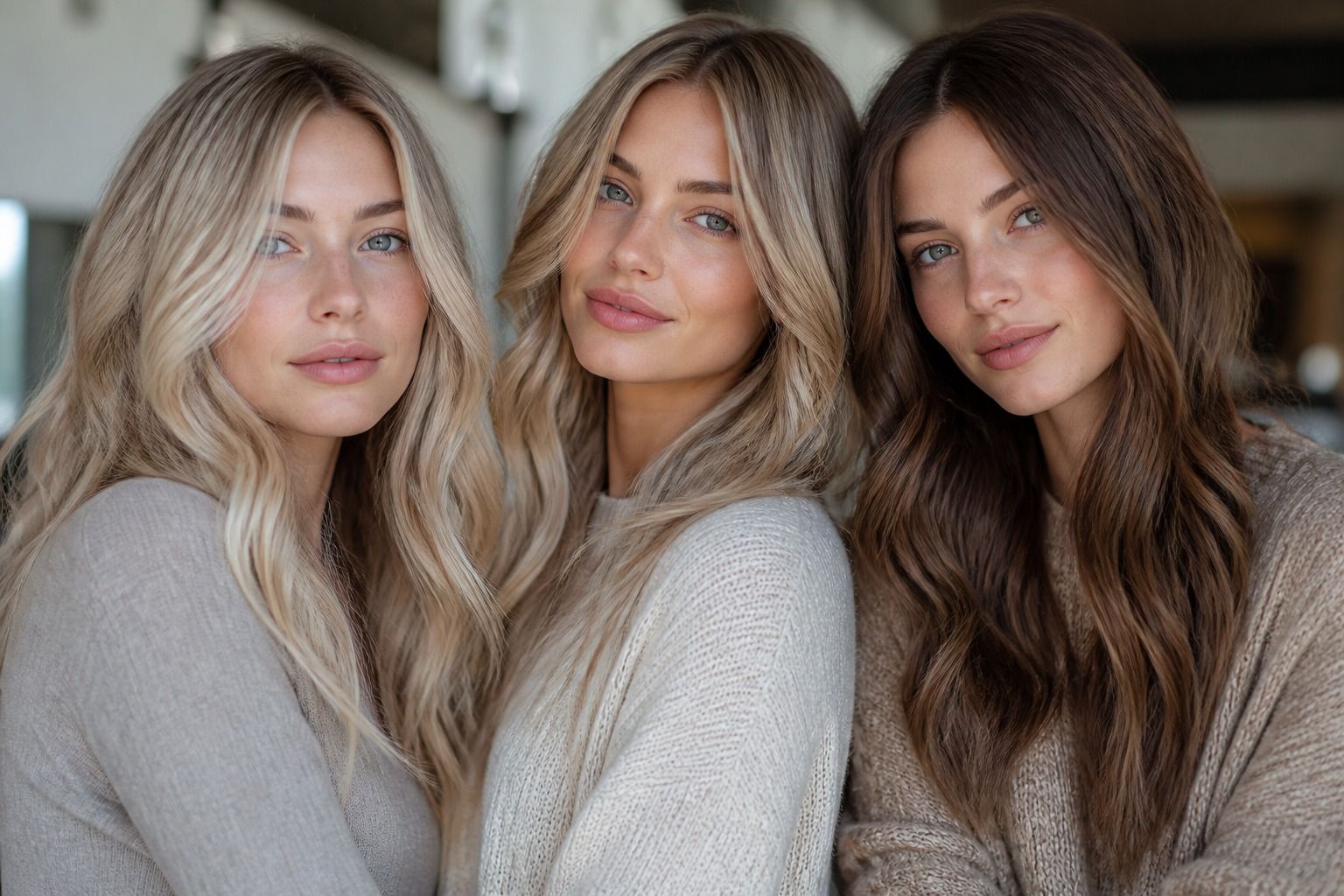
Before the appointment, compare three references in the same light: one ash blonde, one beige blonde, and one soft brown. Cover the faces if they distract you. Look at the root depth, the amount of variation, and the way the shade sits beside the brows. Then choose the direction that still appeals when you imagine it after six washes, with the ends a little drier and the styling less careful.
Soft Summer hair colors work when the whole head has a quiet rhythm. Ash blonde gives cool clarity, beige blonde gives reflected warmth, and soft brown gives depth without forcing a sharp contrast. The best choice is the shade whose lightness, mutedness, and fade pattern fit both your face and the life you will actually give the hair.