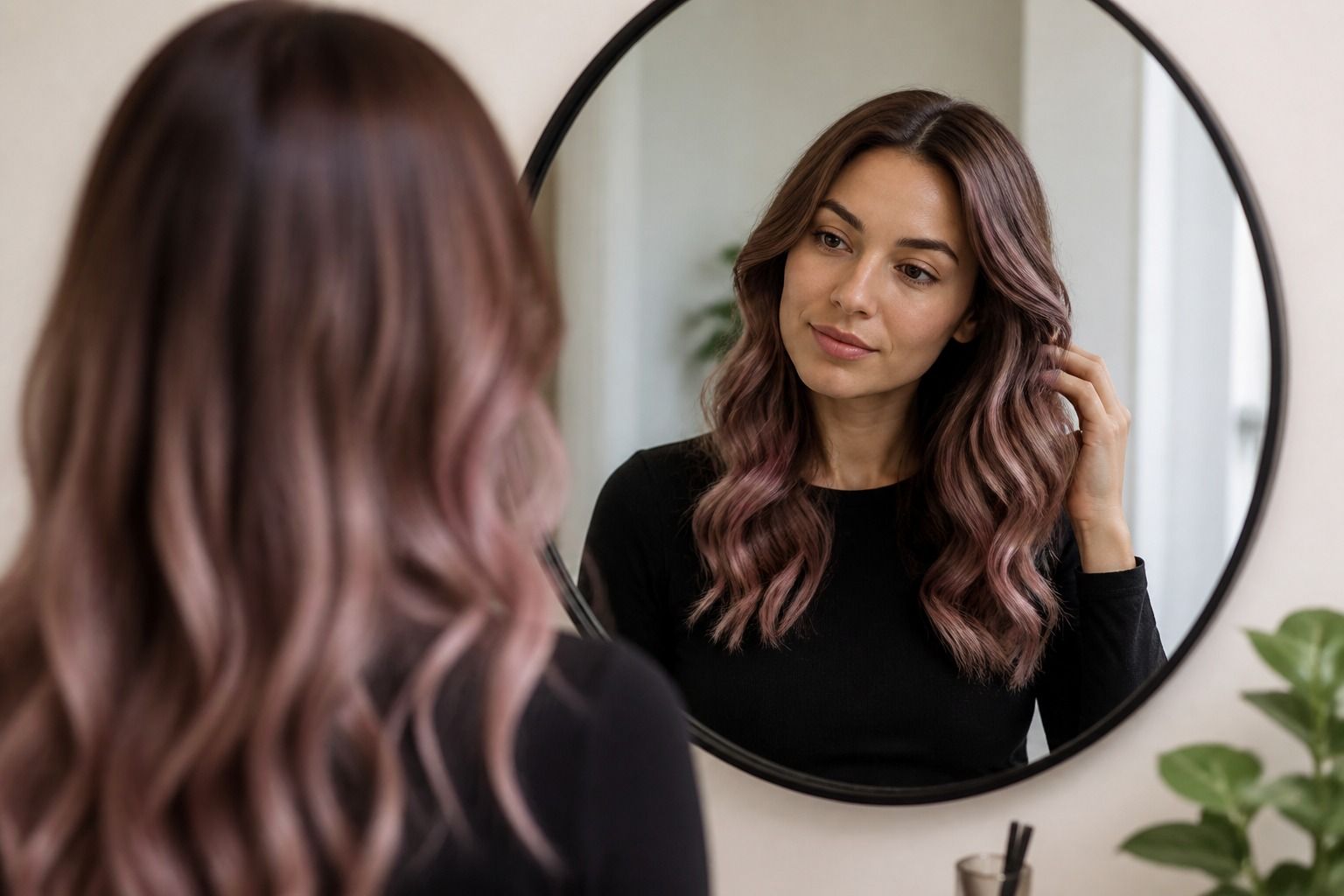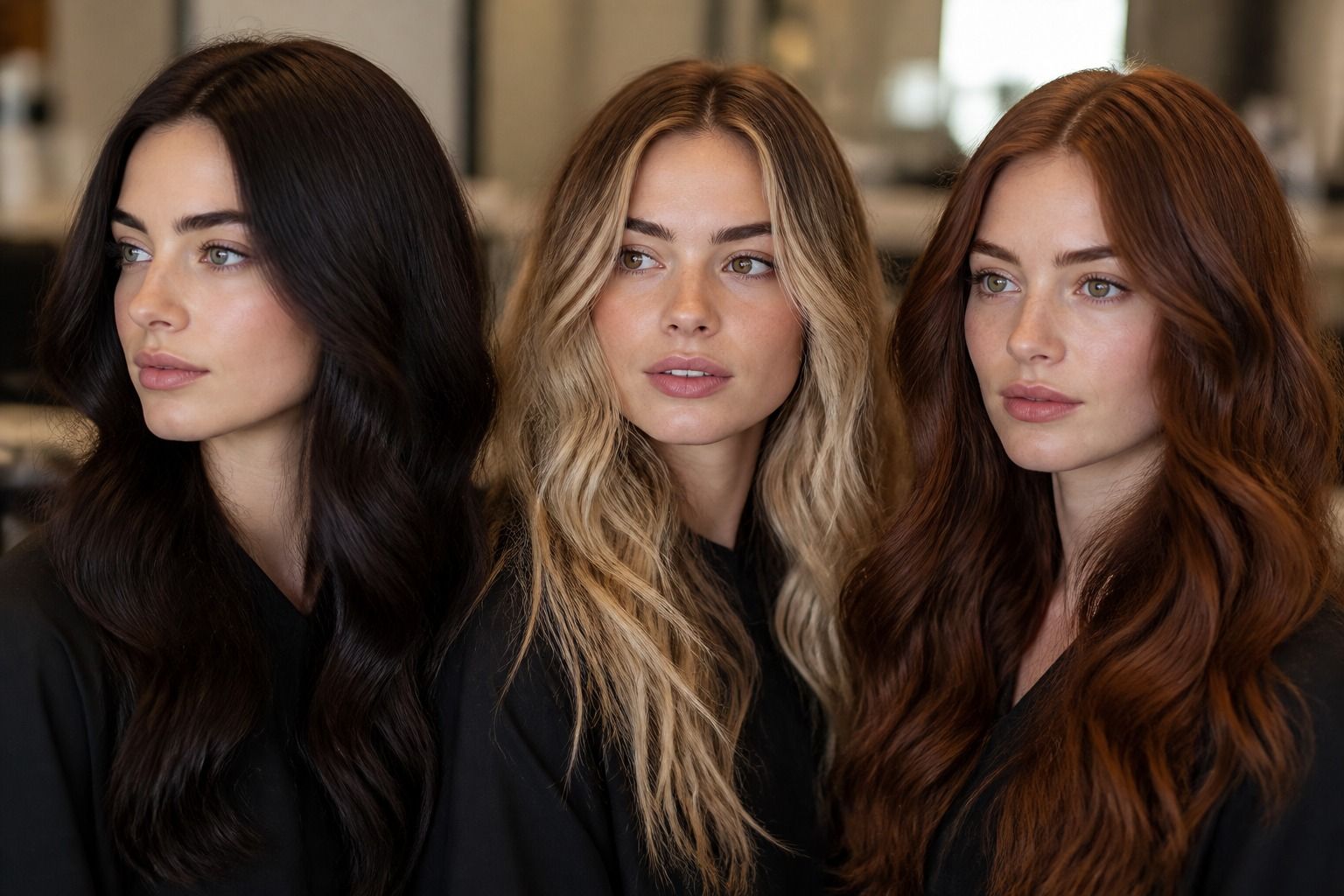
A Soft Summer hair color can look gentle in a colour chart and surprisingly flat on a real haircut. The shape of the cut changes how much light the hair reflects, where the eye sees contrast, and whether a muted tone feels intentional or washed out. A blunt bob needs a different colour conversation from long layers, and loose waves show warmth in places that straight hair can hide. The useful question is less about finding one perfect shade and more about matching softness to the way your hair actually moves.
What soft means on real hair
Soft does not mean pale, dusty, or automatically ash. In hair colour, softness usually comes from reduced intensity and gentle transitions. A muted brunette may have beige, mushroom, or smoky brown notes without looking grey. A blonde can be light and still soft if the root, mid-lengths, and ends do not jump sharply from one depth to another. The finish should have some life when it catches the light, even if it avoids a bright, glossy gold.
Start by looking at the natural root and the ends in the same window light. Sun exposure often makes the ends warmer and lighter, while the root shows your everyday colouring more honestly. If the difference is already large, a single all-over toner may not create softness. It may leave the root looking heavy and the ends looking dull. A colourist can use a neutral root, a gloss, or a few lowlights to join those areas.
Cut shape changes the reading. A blunt line reflects light in one clean band, so any strong difference between base and ends becomes visible. Layers scatter the colour and can make a slightly stronger contrast feel relaxed. Waves create highlights on the bends and shadows underneath, which means a warm leftover tone may show up whenever the hair is curled. I always judge the shade on the cut and styling pattern I will wear most often, not on a smooth salon finish I may never recreate.
Skin undertone still matters, but it is not a command to make every strand icy. If a cool toner makes your skin look dull, a soft beige or neutral ash beige may sit better. The goal is a quiet colour relationship. The name on the formula matters less than the depth, saturation, and way it fades.
Keep a bob from looking too severe
A bob has a built-in graphic quality. The perimeter forms a clear line around the jaw or shoulders, and a flat, dark colour can make that line look even harder. For a Soft Summer hair color, a muted brunette, cool beige brown, or low-contrast mushroom tone often keeps the edge visible without making the cut look severe. The right depth depends on the brows and natural root. A pale bob is not automatically softer than a medium brown bob.
If the bob is blunt, ask where the light should sit. A single brighter front section can pull attention toward the face, but a wide pale panel may split the haircut into two blocks. Fine face-framing pieces, a slightly lighter crown, or a clear gloss through the ends usually gives more control. The colour should support the line of the bob, not compete with it.
| Bob shape | Colour approach | Common problem |
|---|---|---|
| Jaw-length blunt bob | Close-depth base with a soft face frame | A bright front panel makes the perimeter look harsher. |
| Shoulder-length bob | Muted brunette or ash beige with gentle lowlights | Warm ends can look separate when the hair bends at the shoulders. |
| Textured bob | Glossy neutral base with scattered lighter pieces | Too many tiny highlights make the texture look busy. |
Texture also matters. A smooth bob shows every tonal shift, while a slightly bent finish breaks the surface into smaller areas. If you rely on a flat iron, keep the colour transitions especially quiet. If you wear natural texture, leave enough depth in the interior so the hair does not turn into a pale halo around the head.
Root depth can make a short bob easier to wear between appointments. A root that sits close to the brows gives the face a frame and softens the first centimetres of regrowth. I would rather see a well-blended root with a little shadow than a perfect pale blonde that demands a sharp touch-up line every few weeks.
Let layers carry gentle contrast
Layers give colour somewhere to move. The shorter pieces catch light around the cheekbones, while the longer lengths hold depth underneath. That makes layered hair a good place to try a slightly wider contrast range, provided the light pieces are placed with the movement of the cut in mind. A face frame that begins below the cheek can look natural on long layers and awkward on a shorter, choppier style.
Ask how the layers will be cut after the colour is placed. A highlight pattern planned on one length can land in a very different place after the stylist removes two inches or adds a curtain fringe. If the cut is changing, mark the new shortest layer and the face frame before choosing the brightest pieces. This is a small planning detail, but it prevents the familiar problem of paying for a colour pattern that disappears into the haircut.
Soft Summer tones suit dimension that is close enough to blur at the edges. Think muted ash brown beside neutral brunette, smoky beige beside dark blonde, or a cool mushroom gloss over a medium base. The pieces should appear when the hair moves, not announce themselves while the head is still. Strong stripey highlights can make a gentle palette feel much louder than the shade name implies.
Layers can also expose uneven porosity. The shortest pieces around the face often dry faster and grab toner differently from the back. If the front looks grey while the interior stays warm, the problem may be the condition of those pieces rather than the entire colour formula. A trim, a shorter processing time on fragile hair, or a clear gloss can create a cleaner result than adding more pigment.
Choose wave definition without extra brass
Loose waves are honest about warmth. Bends reflect the light, and the underside of each wave holds shadow, so a blonde or light brown can seem warmer than it did when straight. That does not mean every wave needs a violet shampoo. Purple products can reduce yellow in some blondes, but frequent use on porous hair may leave the ends flat, smoky, or slightly violet.
For a soft wave pattern, I like a neutral or ash beige base with enough warmth to keep the face alive. If the hair is naturally dark and has been lightened, a cool beige gloss may be more forgiving than an aggressively icy toner. The colourist should check the exposed mid-lengths as well as the ends. Waves can hide a band when straight, then show it clearly after styling.
Product choice affects the colour you see. A matte salt spray can make a muted brunette appear dull, while a small amount of cream or light oil brings back reflection. Use less product near the face than through the ends so the hair does not look coated. On wash day, check the colour before styling, then again after the waves loosen. Both views matter if loose waves are your normal finish.
Heat can shift a soft shade toward brass over time, especially on porous ends. A heat protectant, a moderate temperature, and fewer repeated passes help keep the fade pattern even. If the ends always turn warm while the root stays cool, ask whether a gloss through the lengths is enough. Permanent colour is not automatically the better answer for a problem that starts after several washes.
Plan the fade before the first appointment
A good first appointment includes a conversation about the second month. Soft Summer hair colour often looks best when the transition is deliberate, yet muted shades can lose their balance as toner fades. Before choosing a formula, ask what will happen when the beige becomes warmer, the ash becomes clearer, or the root grows out against the face frame. The future version should still be acceptable on a normal workday.
Maintenance depends on the cut. A short blunt bob makes regrowth visible around the part and hairline, so a high-contrast root may feel demanding. Layers can disguise a little growth because the colour is distributed through more movement. Waves may need a refresh sooner if the ends lose shine and begin to look dry. A plan that suits a long layered cut can be expensive and frustrating on a short bob.
Ask for a realistic interval rather than a vague promise that the colour is low maintenance. A gloss may need refreshing after several weeks, while a carefully blended balayage can grow more quietly. The formula, washing routine, porosity, and amount of heat all change the timing. If you wash daily or swim often, say so. That information is more useful than a reference photo taken under studio lights.
Bring two photos to the appointment: one of the colour you like in ordinary light and one of your own hair with the cut visible. Point out what you want to keep when the shade fades. Maybe it is the soft root, the beige around the face, or the way the ends still look brown rather than blonde. That gives the colourist a clear plan. The best Soft Summer hair color is the one that works on day one and still belongs to the haircut later, when the styling is looser and real life has taken over.
Softness comes from control rather than weakness. A bob needs a calm perimeter, layers need colour that moves with them, and loose waves need a toner that does not fight the hair's natural warmth. Once the cut, root depth, porosity, and fade pattern are considered together, the palette becomes much easier to use.