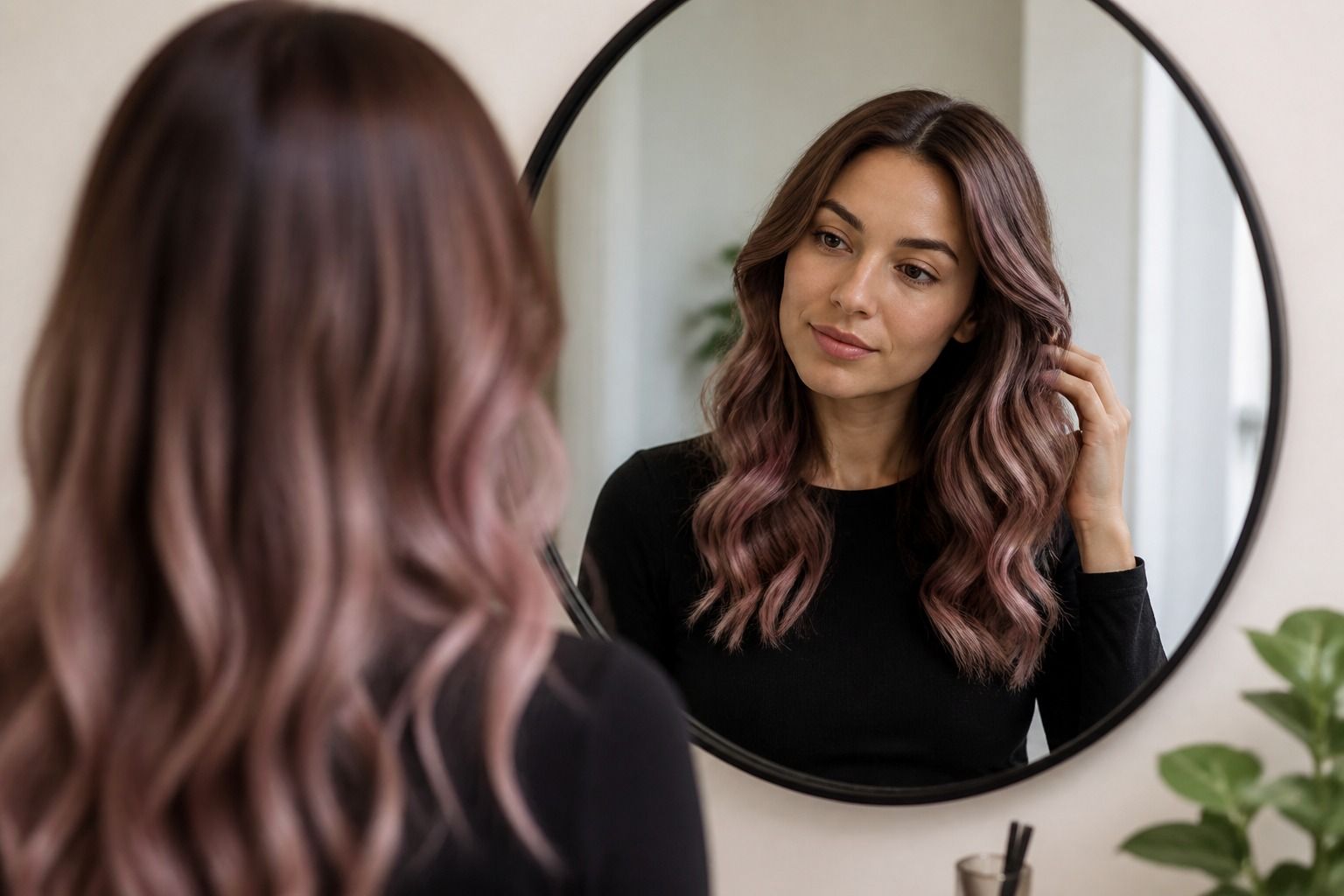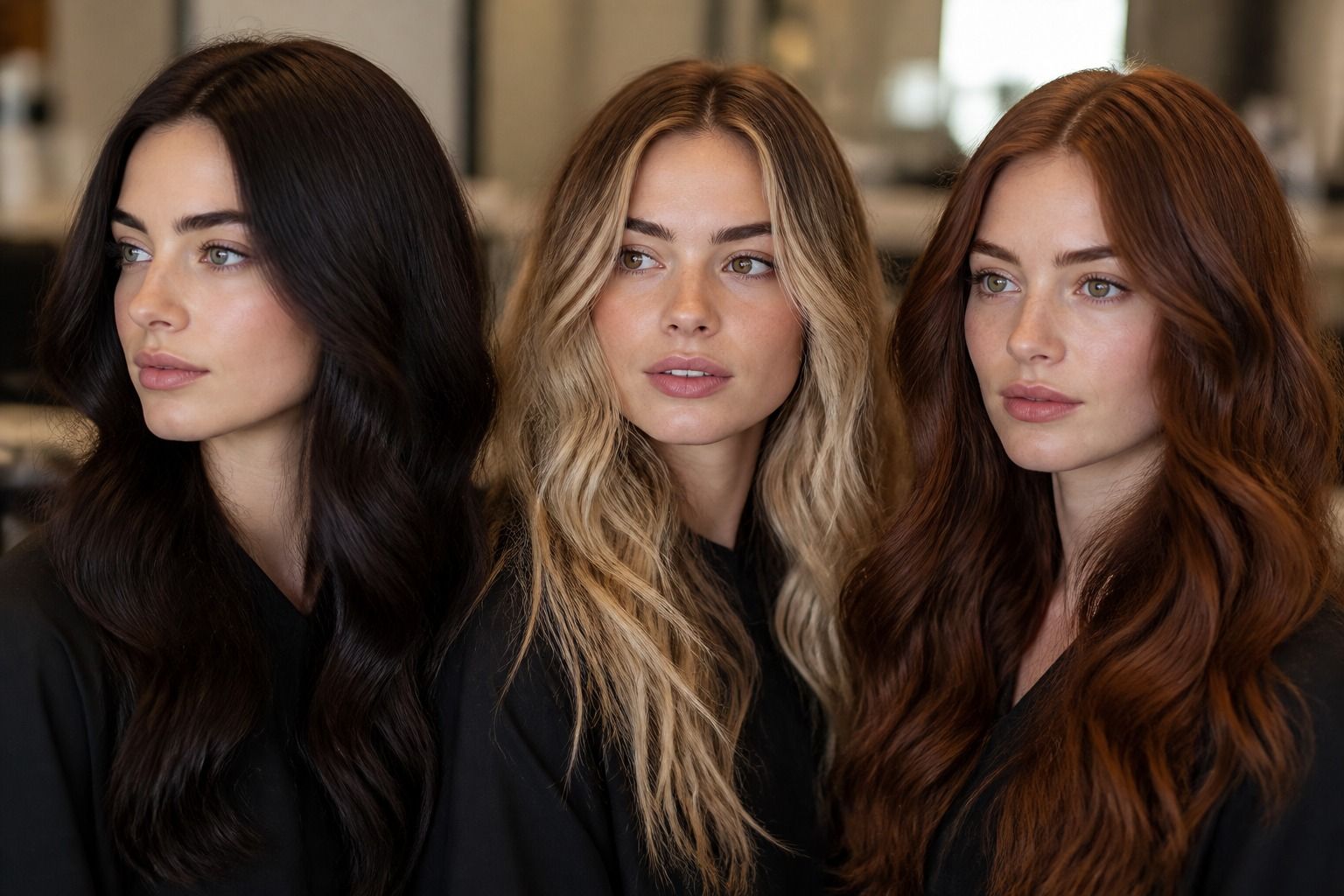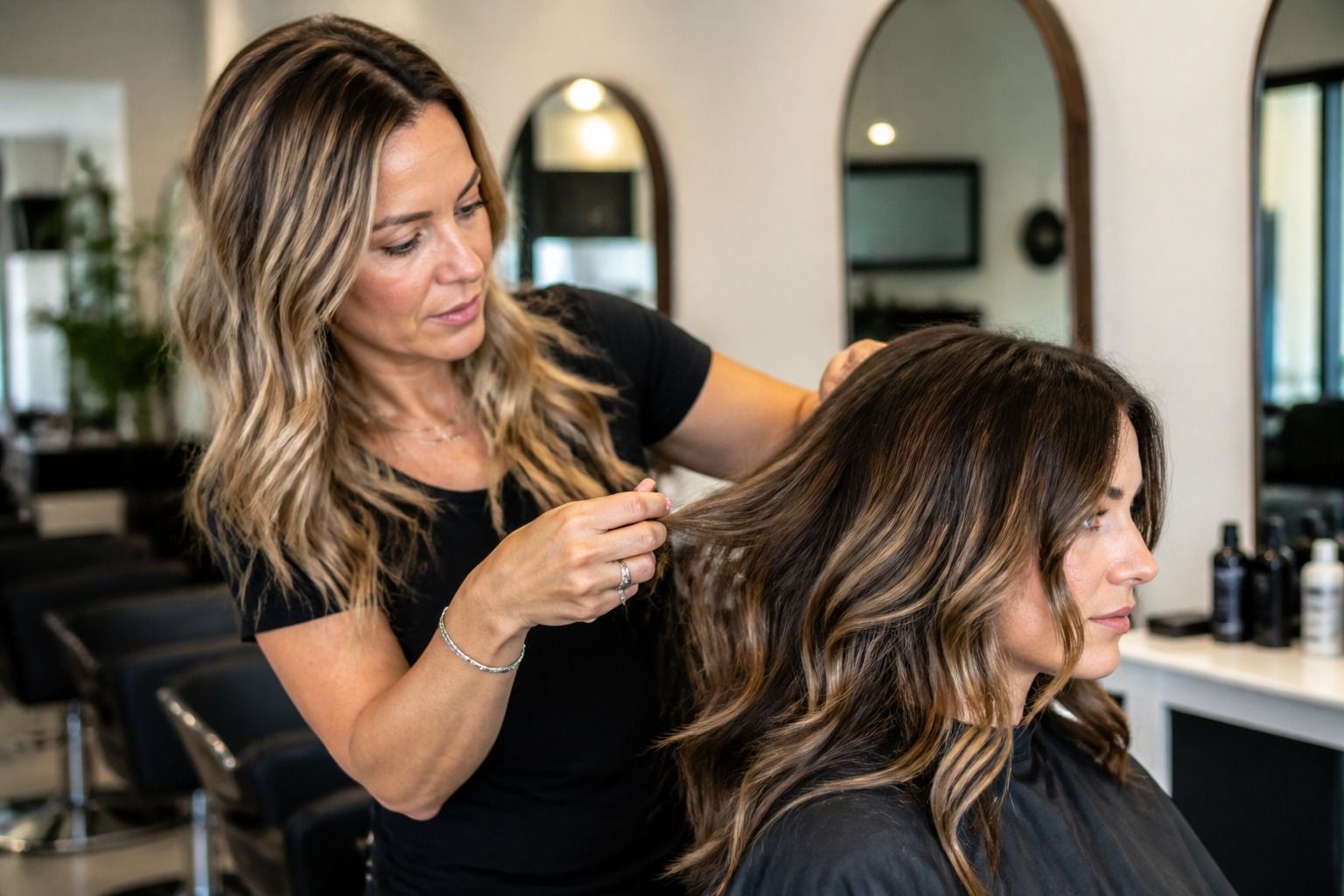
The most useful cool summer hair color ideas are not single pictures to copy. They are salon directions: a starting level, a realistic amount of lift, a toner family, and a placement that will still suit the haircut after the first wash. Brunette and blonde hair need different plans, so the appointment becomes much easier when you explain what is already on your head before describing the finish you want.
Describe the starting point honestly
Begin with the hair you will actually bring to the appointment. Say whether the brunette is natural or colored, whether the blonde has old highlights, and whether the ends have been lightened more than once. A reference picture cannot show the hidden layers of permanent dye, henna, box color, or heat damage. The starting level determines how much lift is possible in one visit and whether the desired cool tone can be placed over the existing canvas.
Ask the colorist to name the current level and the target level, then listen for the difference between toning and lifting. Toner can shift unwanted yellow, orange, or excessive warmth after the hair is light enough, but it cannot turn a dark brunette into a pale blonde. If the plan depends on substantial lift, discuss a staged appointment, the likely texture change, and which pieces will remain darker. A careful limitation is more useful than a promise made from a filtered photo.
Bring two or three references that show the same finish from different angles, preferably in natural light. One image can communicate the mood, another the root transition, and a third the amount of brightness around the face. Avoid presenting a heavily edited portrait as proof of a formula. The goal is to agree on a direction that can be translated to your hair, not to make the colorist guess which part of the picture you meant.
Directions for a cool brunette
For a brunette, a cool summer hair color often works best when the base stays visible. Mushroom brown, smoky taupe, and a neutral-ash brunette can reduce red or orange glare without making the hair look blackened. A gloss may be enough if the natural depth is close to the target. If the existing color is uneven, selective lowlights or a soft root adjustment can create a cleaner surface before any brighter balayage placement is added.
Ask where the light should begin. Balayage that starts too high near the part can create a pale cap, while pieces that begin too low may disappear around the face. On a long layered cut, a few soft ribbons through the cheekbone and jaw area can connect the color to the movement of the layers. On a blunt bob, fewer and more deliberate sections usually look better than many scattered strands, because the solid edge makes every light piece easy to see.
Brunette hair also needs an honest conversation about lift. A cool beige highlight over a medium brown may require controlled lightening before the toner can do its work. If the hair contains old permanent dye, the lift may expose copper or stop at a warmer level than the reference. That is not automatically a failure. A smoky brown with beige ribbons can be a better first step than forcing a pale result through fragile ends.
Directions for a soft blonde
Blonde hair gives more room for cool summer hair color ideas, but the word ‘cool’ still needs definition. Cool beige, dusty blonde, and muted pearl are different from icy silver. Beige can keep light hair from looking hollow; dusty tones soften brightness; pearl adds a clearer reflective effect. If your skin is muted, the most flattering result may have a gentle shadow and a neutral-beige middle rather than a uniformly pale ash finish.
| Starting point | Useful salon direction | Main check | Grow-out note |
|---|---|---|---|
| Natural medium brunette | Soft brunette gloss with selective lowlights | Do not overcool red undertones | Keep the root close to natural depth |
| Colored brunette | Staged lift with smoky beige pieces | Old pigment may limit the lift | Plan a second visit before promising blonde |
| Dark blonde with warmth | Cool beige balayage and a soft toner | Preserve enough value near the face | Use a blended root instead of a stripe |
| Existing highlighted blonde | Gloss, lowlights, and selective face frame | Porous ends may grab gray or blue | Refresh tone without recoloring every end |
For an existing blonde, the first question is often whether more lightness is needed at all. A gloss can refine the tone, while lowlights restore the medium depth that has disappeared through repeated highlighting. If the ends are porous, a toner may take darker or cooler there than at the roots. The colorist may need to use separate formulas or shorter processing time instead of applying one strong mixture from scalp to tips.
Consider the haircut while choosing the blonde direction. Curtain bangs can benefit from a narrow, softly diffused face frame, but a wide bright band may make the fringe look separate from the rest of the cut. A bob often needs light placed just inside the perimeter to show its shape. Long hair can carry lower-contrast balayage through the mid-lengths, provided the ends are not already too fragile to hold an even finish.
Place brightness around the hairstyle
Placement should follow how the hair moves in real life. Tell the colorist which part you wear, where the fringe falls, and whether you usually tie the hair back. A face frame designed for a center part may land in the wrong place if you switch to a side part every morning. The same applies to a ponytail: brightness hidden underneath may be invisible when the hair is down but suddenly dominate when it is tied.
Low-contrast highlights are a reliable way to keep the finish soft. They can be spaced farther apart through the crown, with a little more brightness near the eyes and the outer layer. Lowlights can sit between them to prevent a stripey pattern and keep the base readable. A root shadow is useful for grow-out, but it should be blended into the chosen starting level rather than painted on as a dark band that looks obvious after the first trim.
Be specific about the level of maintenance you will accept. A salon direction that needs a six-week appointment, purple shampoo, and careful heat protection is different from one designed to grow out for four months. Ask which parts will fade first, whether the toner is temporary, and what the hair will look like when the brightness softens. Good placement is not just flattering on the day; it is forgiving when the style is air-dried and the calendar gets busy.
Make the reference photo useful to a colorist
Instead of saying ‘I want this exact color,’ point to the elements you want to borrow. You might want the depth of the root, the softness of the mid-lengths, the narrow face frame, or the way the ends remain natural. Then say what you do not want: no gray cast, no bright stripe at the part, no high-maintenance root line, or no additional lift on fragile ends. This gives the consultation a practical boundary.
Show the photo in the same way you show your own hair: without a beauty filter, with the whole head visible, and ideally with more than one angle. A cropped close-up can hide the root transition and make the color look easier than it is. Ask how lighting changes the reference. Salon light, window light, and a phone camera can make beige look pink, ash look silver, or brown look almost black.
Before the service begins, repeat the plan in everyday language: starting level, intended depth, toner family, face-frame width, and expected grow-out. If the answer changes after the hair is examined, treat that as useful information. The best cool summer hair color ideas become successful when they leave room for the actual hair in front of the colorist. A clear direction protects the condition of the ends and gives you a result you can wear without recreating the salon finish every morning.